
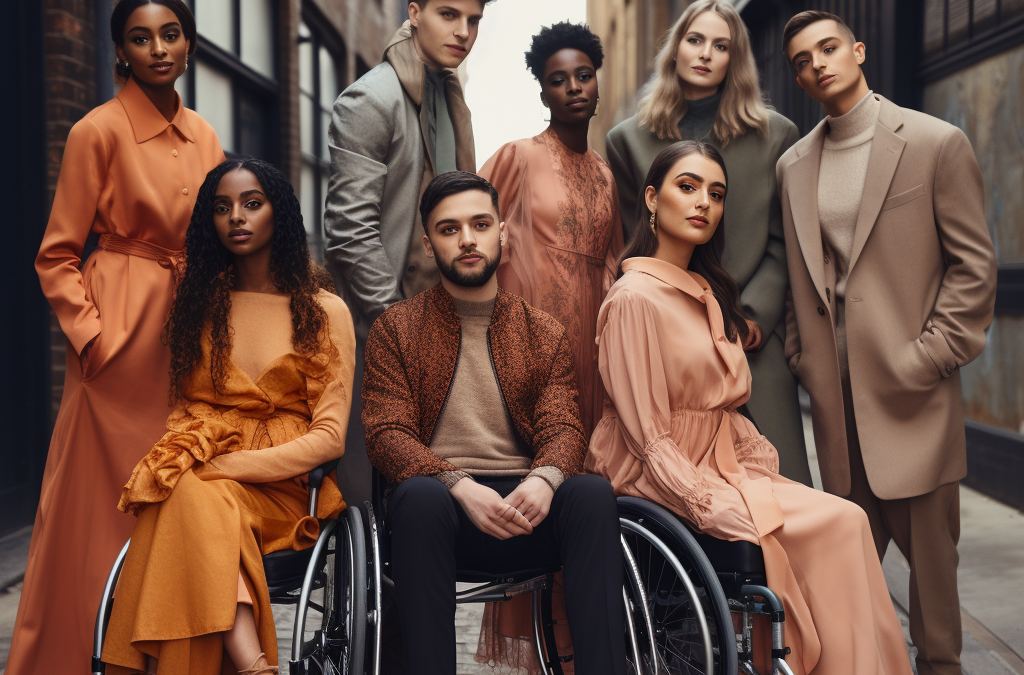
In the ever-evolving world of marketing, one strategy has truly stolen the spotlight: Influencer Marketing. It’s a dynamic and potent tool that has transformed the way brands connect with their audiences. But here’s the twist – inclusive influencer marketing is the secret sauce that’s making brands stand out from the crowd. In this blog, we’ll dive into the immense power of inclusive influencer marketing and how it’s driving the marketing landscape forward.
What is Influencer Marketing?
Before we explore the inclusive part, let’s get back to basics. Influencer marketing is all about collaborating with individuals who have the power to affect the purchasing decisions of others. These individuals, known as influencers, typically have a substantial following on social media platforms and hold credibility in their respective niches. Brands partner with influencers to tap into their engaged audiences, create authentic content, and increase brand visibility.
The Inclusivity Factor
Inclusive influencer marketing takes this concept a step further. It’s not just about selecting influencers based on their reach and relevance to your niche; it’s about ensuring diversity and representation within your influencer network. Inclusivity means breaking free from the conventional norms and embracing influencers of different backgrounds, ethnicities, genders, abilities, and experiences.
Why Inclusive Influencer Marketing Matters
1. Connecting with Diverse Audiences
London, as a melting pot of cultures, is an ideal place for inclusive influencer marketing. It’s a city where diversity thrives, and your audience reflects this rich tapestry. When you partner with influencers from various backgrounds, you demonstrate your brand’s commitment to inclusivity. This not only broadens your reach but also resonates with a broader range of consumers.
2. Authentic Storytelling
Inclusive influencer marketing enables authentic storytelling. Each influencer brings their unique perspective and experiences to the table. This authenticity creates a deeper connection with your audience, as they see themselves in the stories and experiences shared by the influencers.
3. Breaking Stereotypes
Inclusivity challenges stereotypes and brings new narratives to the forefront. By working with influencers who break the mould, you send a powerful message – that your brand is progressive and supportive of change. This can have a lasting impact on consumer perception.
4. Boosting Brand Reputation
Inclusive influencer marketing is not just about short-term gains; it’s a long-term investment in your brand’s reputation. A commitment to diversity and representation sends a positive signal to your audience, positioning your brand as forward-thinking and socially responsible.
5. Adapting to Cultural Shifts
The world is changing rapidly, and cultural shifts are happening all around us. Inclusive influencer marketing helps your brand stay relevant by adapting to these shifts and evolving with your audience.
Inclusive Influencer Marketing in Action
Let’s explore an example of how a London-based brand, ‘UrbanChic,’ embraced inclusive influencer marketing:
UrbanChic, a fashion brand rooted in London’s vibrant culture, decided to launch a campaign celebrating diversity and inclusivity. They partnered with influencers from various backgrounds, including LGBTQ+ advocates, differently-abled individuals, and influencers from different ethnicities.
The campaign was a resounding success, not just in terms of engagement and reach but also in the conversations it ignited. UrbanChic’s audience appreciated the brand’s commitment to inclusivity, and it resulted in increased brand loyalty and a boost in sales.
Conclusion
Inclusive influencer marketing is not just a marketing strategy; it’s a movement towards a more accepting and diverse world. It allows your brand to authentically connect with your audience, break stereotypes, and make a positive impact. So, as a marketer, if you’re looking for a way to supercharge your influencer marketing efforts in London and beyond, don’t underestimate the power of inclusivity. It’s not just a trend; it’s a path to long-term brand success.
Recent Comments